

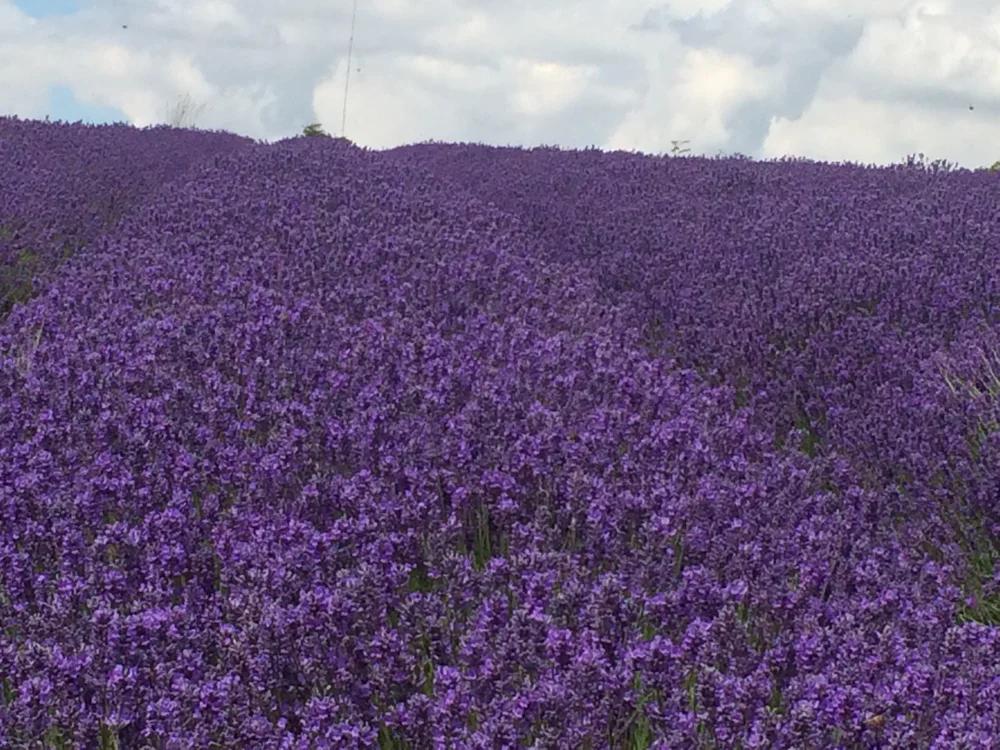
Specialty crops and plantations

- High-Value Nuts & Tree Plantations
- Cashew Nut, Walnut, Almond, Olive, Macadamia Nut, Coconut (Tall, Dwarf & Hybrid cultivars), Arecanut
- Perennial, Rhizomatic & Seed Spices
- Perennial/Tree: Black Pepper, Cardamom (Small & Large), Cinnamon, Cassia, Clove, Nutmeg, Kokum, Cambodge, Tamarind, Vanilla, Allspice, Curry Leaf, Star Anise, Bay Leaf. Rhizomatic/Seed: Turmeric, Ginger, Coriander, Cumin, Fennel, Fenugreek
- Aromatic & Essential Oil Crops
- Stevia, Citronella, Geranium, Palmarosa, Mint (Mentha), Celery, Rosemary, Chamomile, Davana, Lavender; Aromatic Flowers & Wood: Rose, Tuberose, Jasmine, Sandalwood
- Medicinal Crops (16 Official MIDH Crops)
- Ashwagandha, Shatavari, Tulsi, Mulethi, Shwet Musali, Kalihari, Guggle, Manjishtha, Kutki, Atees, Jatamansi, Brahmi, Vidarikand, Pippali, Chirata, Pushkarmool
- Aquatic, Bulb, Host & Regional Specialty Crops
- Makhana (Fox Nut), Water Chestnut (Singhara), Lac-Hosting Plants, Onion, Garlic, Betel Vine (Paan), Moringa (Drumstick), Specialty Vegetables & Nutri-Millets
- Commercial Bamboo & Primary Processing
- Commercially Viable Bamboo Species (NBM); Cross-Sectoral Primary Processing: Aromatic Plants, Medicinal Herbs, Cashew, Raisins, Dry Spices, Flowers, Fruits, and Vegetables
Projects in this domain
Open a project to see what it involves, what it may cost, and which schemes to check. Costs and returns are planning estimates. Confirm scheme terms and eligibility with the relevant authority before investing.
Commercial Makhana Cultivation & Popping Cluster (Foxnut)
Project overview
Scientific pond and shallow-field cultivation of high-yielding Sabour Makhana-1 / Swarna Vaidehi cultivars, integrated with pond renovation, seed multiplication, harvesting, grading, and hygienic roasting/popping units for domestic and export superfood markets.
- Estimated cost
- ₹0.75 Lakh to ₹1.50 Lakh/ha for field/pond cultivation and seed production; ₹15.00 Lakh to ₹60.00 Lakh for primary grading, roasting, and popping units.
- Site size or capacity
- 0.2 ha to 2.0 ha (up to 4.0 ha per State AAP) per beneficiary for pond/field area expansion under MIDH & National Makhana Board.
- Indicative returns
- 35% to 50% annually (crop cycle of 5–6 months allows integration with Singhara or aquaculture in the same waterbody).
- Suitable crops, products or inputs
- Makhana / Fox Nut (Euryale ferox).
- Scheme assistance to check
- National Makhana Board (Central Sector Scheme) & MIDH Section 10(vi): 40% to 50% of unit cost norm (up to 75% for FPOs/SHGs on post-harvest/popping infrastructure & seed clusters in Bihar, Eastern UP, WB, Assam, Manipur & MP).
- Market opportunities
- Healthy snacking & D2C superfood brands, modern retail chains, ayurvedic/nutraceutical buyers, and rapidly growing exports to the USA, UK, UAE, and Australia.
- Programme references
- National Makhana Board / MIDH Section 10(vi) & Annexure-V
Singhara Cultivation & Aquatic / Industrial Host Plantations
Project overview
Commercial utilization of perennial ponds, wetlands, and agro-forestry host trees for cultivating high-yielding Water Chestnut (Singhara) and establishing scientific Lac-hosting tree plantations (Kusum, Ber, Palash) for natural resin production.
- Estimated cost
- ₹0.60 Lakh to ₹1.40 Lakh/ha for pond preparation, quality planting material, integrated nutrient/pest management, and primary drying/grading.
- Site size or capacity
- 0.2 ha to 2.0 ha per beneficiary under MIDH Section 10(vi) & PM-RKVY state cluster projects.
- Indicative returns
- 32% to 45% annually (annual harvest cycle with zero competition for arable cropland).
- Suitable crops, products or inputs
- Water Chestnut (Singhara) and Lac-Hosting Plants (Kusum, Ber, Palash, Flemingia semialata).
- Scheme assistance to check
- MIDH Section 10(vi) & PM-RKVY: 40% of cost norm for general farmers and 50% for small/marginal farmers, FPOs, and Scheduled/Tribal areas.
- Market opportunities
- Fresh seasonal fruit markets, gluten-free Singhara flour processors (fasting/festival demand), and industrial shellac/lac-resin exporters (Jharkhand, Chhattisgarh, MP, WB).
- Programme references
- MIDH Section 10(vi) / PM-RKVY
Betel Vine / Paan Boroj Plantations
Project overview
Construction of traditional/modern shaded conservatory structures (Paan Boroj) using bamboo/GI frames, agro-shade nets, raised beds, and micro-sprinkler/fogger irrigation for year-round commercial leaf harvesting of GI-tagged and regional betel cultivars.
- Estimated cost
- ₹1.50 Lakh to ₹3.00 Lakh per 1,000 sq. m Boroj unit (including shade structure, trellis, planting material, and micro-irrigation).
- Site size or capacity
- 500 sq. m to 2,000 sq. m (0.05 ha to 0.20 ha) per beneficiary under MIDH/NHM.
- Indicative returns
- 38% to 52% annually (continuous leaf plucking every 15–20 days starting 4–5 months after planting).
- Suitable crops, products or inputs
- Betel Vine / Paan (Magahi, Banarasi, Bangla, Meetha, Sanchi, Kapoori cultivars).
- Scheme assistance to check
- MIDH / NHM / HMNEH: 50% of admissible unit cost norm (40% for general category in select states; 50% for small/marginal and NE/Himalayan/Scheduled areas).
- Market opportunities
- Domestic fresh leaf mandis across North, East, and Central India, essential-oil extraction (betel leaf oil), mouth-freshener manufacturers, and exports to Middle East & UK.
- Programme references
- MIDH / NHM / HMNEH Annexure-V
Black Pepper, Cardamom & High-Value Perennial, Rhizomatic & Seed Spice Plantations
Project overview
Commercial area expansion, replanting, and quality improvement of export-grade perennial tree spices, rhizomatic spices, and seed spices using disease-free rooted cuttings/rhizomes, live/RCC standards, drip irrigation, and solar/mechanical dryers.
- Estimated cost
- MIDH 2025 Norms: ₹0.30–₹0.60 Lakh/ha (Seed/Rhizomatic Spices) and ₹0.75–₹1.50 Lakh/ha (Perennial Spices). NHB Project Ceilings: ₹3.75 Lakh/ha (Black Pepper) and ₹5.75 Lakh/ha (Cardamom).
- Site size or capacity
- 0.2 ha to 2.0 ha (up to 4.0 ha per State AAP) under MIDH & Spices Board SPICED; above 2.0 ha (> 1.0 ha in NE States) for Black Pepper & Cardamom under NHB Scheme-01.
- Indicative returns
- 30% to 45% annually (annual payback of 1.5–2 years for Ginger/Turmeric/Cumin; 3.5–4.5 years for Black Pepper, Cardamom & Tree Spices).
- Suitable crops, products or inputs
- Perennial & Tree Spices: Black Pepper, Cardamom (Small & Large), Cinnamon, Cassia, Clove, Nutmeg, Kokum, Cambodge, Tamarind, Vanilla, Allspice, Curry Leaf, Star Anise, Bay Leaf. Rhizomatic & Seed Spices: Turmeric, Ginger, Coriander, Cumin, Fennel, Fenugreek.
- Scheme assistance to check
- Spices Board SPICED Scheme (2026-27): 33.33% to 50% for replanting, quality planting material, post-harvest dryers/polishers & export quality upgradation. MIDH: 40%–50% of cost norm. NHB Scheme-01 (Circular 21.08.2026): 35% (General) / 45% (NE/Hilly/Scheduled/UTs).
- Market opportunities
- Domestic spice auctions (Kochi, Bodinayakanur, Unjha, Erode, Sangli), oleoresin/essential-oil extractors, branded masala companies, and global spice exports.
- Programme references
- Spices Board SPICED Scheme (2026-27) / MIDH / NHB
High-Value Nut, Olive, Coconut, Vanilla & Arecanut Agro-Plantations
Project overview
Long-term commercial tree-crop plantations and rejuvenation of senile gardens using elite grafted/hybrid cultivars, drip fertigation, intercropping, and shade-net support (for Vanilla) across coastal, humid tropical, and temperate belts.
- Estimated cost
- MIDH / CDB Norms: ₹0.75 Lakh to ₹2.50 Lakh/ha (+15% in NE/Himalayan areas). NHB Project Ceilings: ₹2.875 Lakh/ha (Coconut), ₹3.50–₹4.50 Lakh/ha (Cashew, Walnut, Almond, Macadamia), and ₹5.00 Lakh/ha (Olive).
- Site size or capacity
- 0.2 ha to 2.0 ha under MIDH / CDB / DASD; above 2.0 ha (> 1.0 ha in NE) under NHB Item 1(i); above 20.0 ha under NHB Item 1(ii) Import-Substitution mode (for Walnut, Almond, Cashew Nut).
- Indicative returns
- 25% to 35% annually (multi-decade productive orchard life of 30–50+ years with high-value kernel, virgin olive oil, copra, and cured vanilla bean outputs).
- Suitable crops, products or inputs
- High-Value Nuts & Tree Plantations: Cashew Nut, Walnut, Almond, Olive, Macadamia Nut, Coconut (Tall, Dwarf & Hybrid cultivars), Arecanut, and Vanilla.
- Scheme assistance to check
- MIDH / CDB / DASD: 40%–50% of cost norm for new planting, replanting & rejuvenation (25%–50% under Coconut Development Board). NHB Scheme-01 (Circular 21.08.2026): 35% (General) / 45% (NER, Himalayan States, Scheduled Areas & J&K/Ladakh UTs).
- Market opportunities
- Cashew & dry-fruit processing clusters, edible/virgin olive oil brands, desiccated coconut & virgin coconut oil processors, gourmet food/flavouring exporters (Vanilla), and domestic confectionery industries.
- Programme references
- MIDH (NHM / HMNEH / CDB) / DASD / NHB Scheme-01 [Item 1(i) & 1(ii)]
Medicinal & Aromatic Crops Plantation & Steam Distillation
Project overview
Commercial cultivation of the 16 notified MIDH medicinal species and high-value essential-oil aromatic grasses, flowers, and woods, paired with on-farm stainless-steel steam distillation units and solar crop dryers for high-purity essential oils and dried herbs.
- Estimated cost
- MIDH 2025 Norms: ₹0.40 Lakh to ₹1.50 Lakh/ha for Medicinal & Aromatic crops (+15% in Himalayan/NE states). NHB Ceilings: ₹3.00–₹4.50 Lakh/ha (Aromatic crops) and ₹7.50 Lakh/ha (Stevia). Steam Distillation Unit: ₹5.00–₹15.00 Lakh.
- Site size or capacity
- 0.2 ha to 2.0 ha per beneficiary under MIDH Annexure-V; above 2.0 ha (> 1.0 ha in NE States) for Stevia, Citronella, Geranium, Palmarosa, Mint & Celery under NHB Scheme-01 [Item 1(i)].
- Indicative returns
- 32% to 48% annually (on-farm essential-oil distillation multiplies farm-gate value by 3x–5x and yields a shelf-stable, low-volume commodity).
- Suitable crops, products or inputs
- Medicinal Crops (16 Official MIDH Crops): Ashwagandha, Shatavari, Tulsi, Mulethi, Shwet Musali, Kalihari, Guggle, Manjishtha, Kutki, Atees, Jatamansi, Brahmi, Vidarikand, Pippali, Chirata, Pushkarmool. Aromatic & Essential Oil Crops: Stevia, Citronella, Geranium, Palmarosa, Mint (Mentha), Celery, Rosemary, Chamomile, Davana, Lavender; Aromatic Flowers & Wood: Rose, Tuberose, Jasmine, Sandalwood.
- Scheme assistance to check
- MIDH / HMNEH: 40% (General) to 50% (Small/Marginal & NE/Himalayan/Scheduled areas) for cultivation + 50% for solar dryers/primary processing. NHB Scheme-01 (Circular 21.08.2026): 35% (General) / 45% (NE/Hilly/UTs) for cultivation & steam distillation units.
- Market opportunities
- Ayurvedic/herbal pharmaceutical companies, natural sweetener extractors (Stevia), global fragrance/flavour/aromatherapy houses (Lavender, Geranium, Mint, Chamomile, Sandalwood), and export buyers.
- Programme references
- MIDH Section 10(vi) & Annexure-V / NHB Scheme-01 / NMPB
Commercial Bamboo Plantation & Agro-Forestry Enterprise
Project overview
Commercial cultivation of tissue-culture/rhizome-propagated bamboo species on non-forest private and community lands, integrated with accredited bamboo nurseries, vacuum-pressure chemical treatment plants, and engineered bamboo/charcoal manufacturing units.
- Estimated cost
- ₹0.50 Lakh to ₹1.20 Lakh/ha for commercial block/boundary plantations (maintained over 3 years); ₹15.00 Lakh to ₹100.00 Lakh for bamboo nurseries, treatment plants, agarbatti stick/engineered board, and activated charcoal units.
- Site size or capacity
- 0.5 ha to 4.0 ha+ on non-forest agricultural/bund land for plantations; project-based built-up area for nurseries, treatment plants, and processing units.
- Indicative returns
- 26% to 35% annually from Year 4 onward (annual selective culm harvesting continues for 30+ years without replanting).
- Suitable crops, products or inputs
- Commercially Viable Bamboo Species notified under NBM (Bambusa balcooa, B. tulda, B. bambos, Dendrocalamus strictus, D. asper, Melocanna baccifera).
- Scheme assistance to check
- MIDH — National Bamboo Mission (NBM Annexure-VIII): 50% of cost norm for private farmers, entrepreneurs, and FPOs (60:40 Centre:State; 90:10 in NE & Himalayan States) and 100% for public sector institutions.
- Market opportunities
- Paper & pulp mills, green bio-ethanol & biomass power plants, engineered bamboo flooring/furniture, agarbatti stick manufacturing, and construction scaffolding.
- Programme references
- MIDH — National Bamboo Mission (NBM) [Annexure-VIII]
Specialty Millet, Exotic Vegetable & Commercial Moringa Production
Project overview
Commercial area expansion of high-yielding perennial/annual Moringa (Drumstick — PKM-1/PKM-2) and high-value specialty/exotic vegetables (Broccoli, Red/Yellow Capsicum, Cherry Tomato, Zucchini, Baby Corn, Asparagus) under drip/mulch, paired with Nutri-Millet processing units.
- Estimated cost
- MIDH 2025 Norms: ₹0.50 Lakh to ₹1.20 Lakh/ha for Hybrid/Specialty Vegetables & Moringa (with plastic mulching & drip). Millet Processing Units: ₹10.00 Lakh to ₹50.00 Lakh under PMFME/PMEGP.
- Site size or capacity
- 0.2 ha to 2.0 ha (up to 4.0 ha per State AAP) for Moringa & Specialty Vegetables under MIDH/NHM; micro/small enterprise scale for Millet grading/milling/extrusion units under PMFME/PMEGP.
- Indicative returns
- 35% to 50% annually (Moringa yields pods within 6–8 months of planting plus leaf powder biomass; exotic vegetables yield within 60–90 days).
- Suitable crops, products or inputs
- Commercial Moringa (Drumstick), Specialty & Exotic Vegetables (Broccoli, Red/Yellow Capsicum, Cherry Tomato, Zucchini, Lettuce, Asparagus, Onion, Garlic), and Specialty Millets & Grains (Ragi, Bajra, Jowar, Foxtail/Little/Kodo Millet, Quinoa).
- Scheme assistance to check
- MIDH / NHM / HMNEH: 40%–50% of cost norm for Moringa & Specialty Vegetable cultivation. PMFME (MoFPI): 35% credit-linked subsidy up to ₹10.00 Lakh (individuals) and up to ₹3.00 Crore (FPOs/SHGs) for Millet processing. KVIC-PMEGP: 15%–35% margin money subsidy.
- Market opportunities
- Nutraceutical Moringa leaf powder & seed-oil exporters, urban quick-commerce & HoReCa exotic vegetable supply, and domestic/export health-food millet brands.
- Programme references
- MIDH / NHM / PMFME / KVIC-PMEGP
Cross-Sectoral Specialty Crop Primary Processing & Value Addition Enterprise
Project overview
Multi-commodity primary and secondary processing facility equipped with automated cleaning, optical/mechanical grading, steam distillation, solar/tray dehydration, cashew/raisin processing, spice grinding, and vacuum/nitrogen-flushed retail packaging.
- Estimated cost
- ₹15.00 Lakh to ₹150.00 Lakh (Micro-enterprises under PMFME/PMEGP: ₹15–₹50 Lakh; Commercial NHB/MIDH-PHM & FPO common processing centres: ₹50–₹150 Lakh).
- Site size or capacity
- 250 sq. m to 2,500 sq. m built-up FSSAI-compliant processing facility.
- Indicative returns
- 28% to 40% annually (payback period of 2.5 to 3.5 years; reduces post-harvest losses from 25%+ to under 5% while capturing retail packaging margins).
- Suitable crops, products or inputs
- Aromatic Plants (steam distillation), Medicinal Herbs (solar drying/grading), Cashew, Raisins, Dry Spices, Flowers, Fruits, and Vegetables.
- Scheme assistance to check
- PMFME (MoFPI): 35% credit-linked subsidy up to ₹10.00 Lakh for individuals and 35% up to ₹3.00 Crore for FPOs/SHGs/Cooperatives. NHB Scheme-01 (Circular 21.08.2026): 35% (General) / 45% (NER, Himalayan States, Scheduled Areas & UTs) for primary processing of Aromatic Plants, Cashew, Raisins, Flowers, Fruits & Vegetables. MIDH-PHM: 40%–50% for minimal processing & solar crop dryers. KVIC-PMEGP: 15%–35% margin money subsidy.
- Market opportunities
- Direct B2B supply to FMCG food/ayurvedic/cosmetic companies, modern trade supermarkets, e-commerce D2C brands, institutional buyers, and export houses.
- Programme references
- PMFME (MoFPI) / MIDH-PHM / NHB Scheme-01 [Item 1(vii) & 1(ix)] / KVIC-PMEGP
Eligibility and scheme notes
- Regional Agro-Climatic & State AAP Rule: Under MIDH, National Makhana Board, SPICED, and NBM, crop assistance is strictly linked to regional agro-climatic suitability and inclusion in the respective State Annual Action Plan (AAP). Wild-harvesting of medicinal plants is ineligible; only cultivated crops from the 16 notified MIDH species qualify.
- NHB Circular (21.08.2026): Commercial plantations above 2 ha (> 1 ha in NE States) and primary processing units qualify for 35% subsidy in General Areas and 45% in NER, Himalayan States, Scheduled Areas, and specified UTs (J&K, Ladakh, A&N, Lakshadweep). Cost of land is excluded.
- PMFME & Primary Processing Rule: Under PMFME, standalone raw crop trading or standalone storage without value addition is ineligible; primary processing (grading, drying, distillation, popping) must be integrated with value addition and FSSAI compliance.
Ready to apply?
Tell us about your project in the member portal. If you need to sign in, we’ll take you straight to this application afterwards.